Explosion proof and ATEX walkie talkies
Six intrinsically safe variants in the range, for sites where a standard handheld is not permitted. Which one is legal for your area depends on the zone and the certificate — not on the model name — so we confirm that before quoting.
Six Ex variants, compared on what the catalogue records
Band, channel capacity and IP rating are recorded data. Certification zone and gas group are not recorded per model, so they are confirmed with the certificate rather than guessed here.
| Model | Platform | Band | Channels | IP | Best fit |
|---|---|---|---|---|---|
| DP4801ex | DMR + analog | VHF 136-174 / UHF 403-470 | 1000 | IP67 | Full keypad and display, for supervisors and team leaders on a hazardous site. |
| DP4401ex | DMR + analog | VHF 136-174 / UHF 403-470 | 32 | IP67 | Simpler control set, for general site users who do not need keypad dialling. |
| R7ex FKP | DMR Tier II/III | UHF 400-470 | 1000 | IP66/68 | Full keypad Ex build on the newer R7 platform. UHF only in the recorded range — check your licence before shortlisting it. |
| R7ex NKP | DMR Tier II/III | UHF 400-470 | 64 | IP66/68 | No keypad, same UHF-only Ex platform. For site users inside the zoned area who do not need channel dialling. |
| GP340ex | Analog FM | VHF / UHF | 16 / 255 | IP54 | Legacy analog Ex unit. Cheapest entry, but IP54 and no digital features — check it against your zone before choosing it. |
| MTP850ex | TETRA | 380-430 MHz | 2048 / 1024 talkgroups | IP55 | TETRA, not DMR. Only relevant if the site already runs a TETRA network — it will not interwork with a DMR fleet. |
IP rating is ingress protection, not explosion protection. A high IP rating does not make a radio suitable for a hazardous area.
We will not tell you a model is Zone 1 certified because the name ends in “ex”. The certificate states the zone, gas group and temperature class; without it, the claim is worthless and it is your site licence on the line.
Open a model for recorded specifications
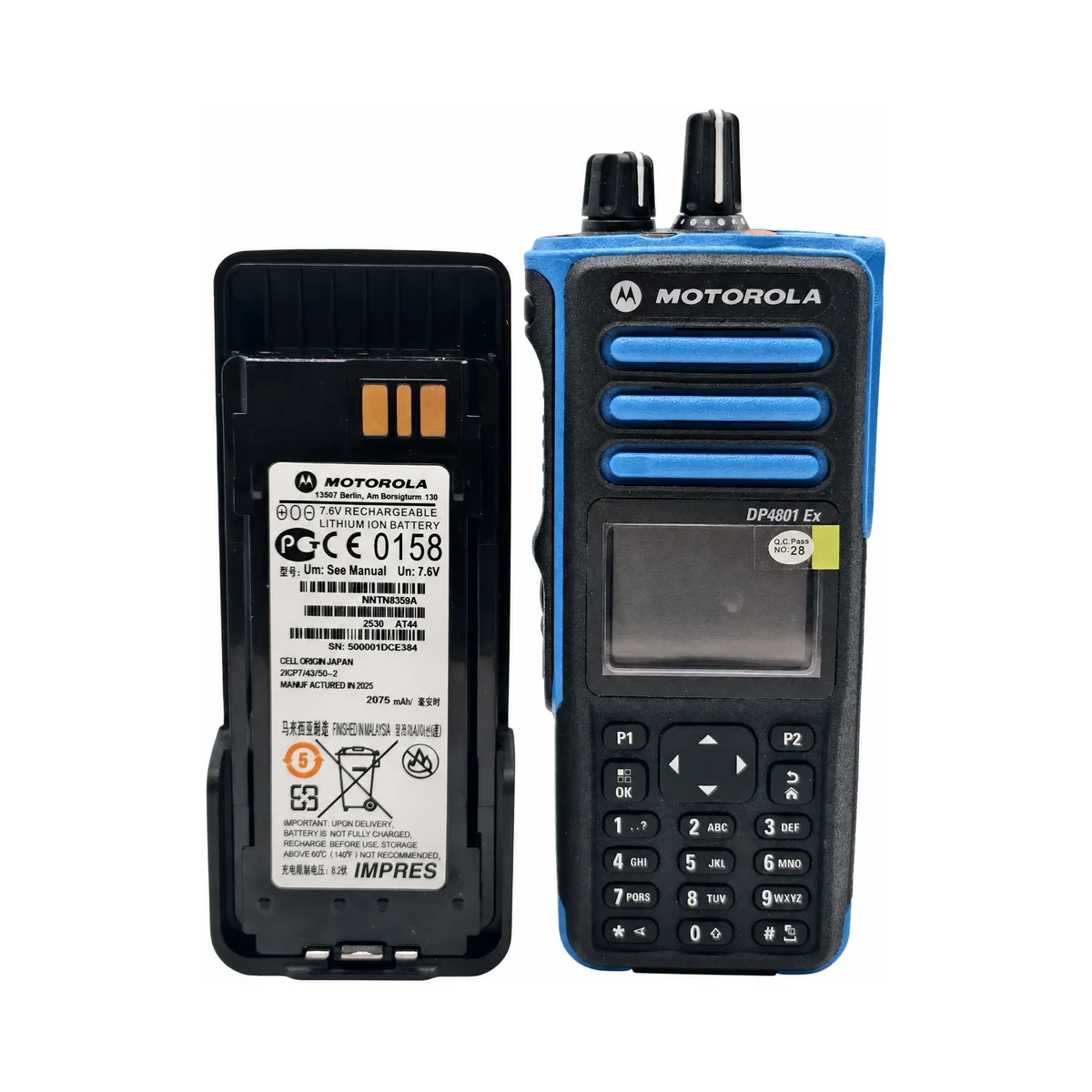
Full keypad and display, for supervisors and team leaders on a hazardous site.
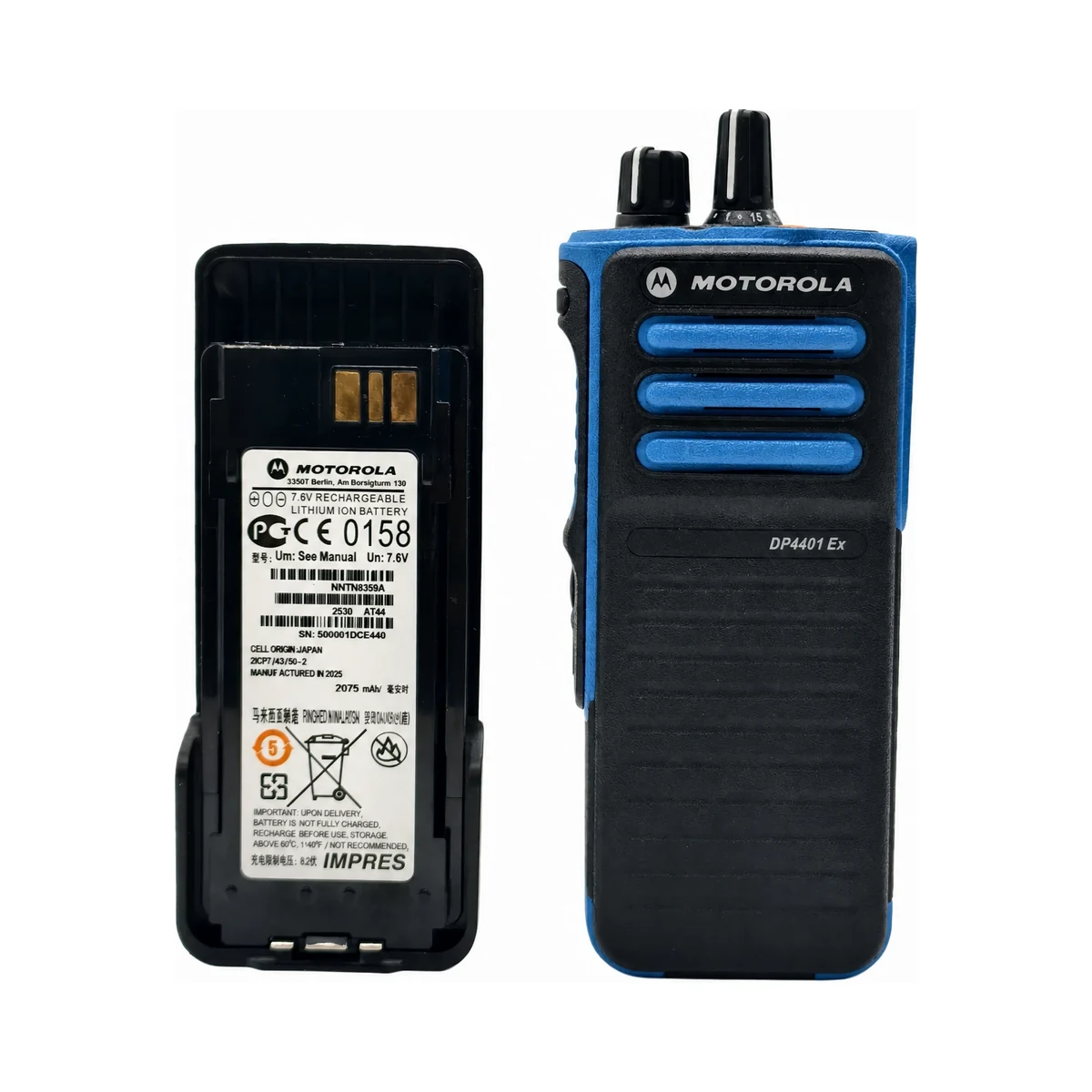
Simpler control set, for general site users who do not need keypad dialling.
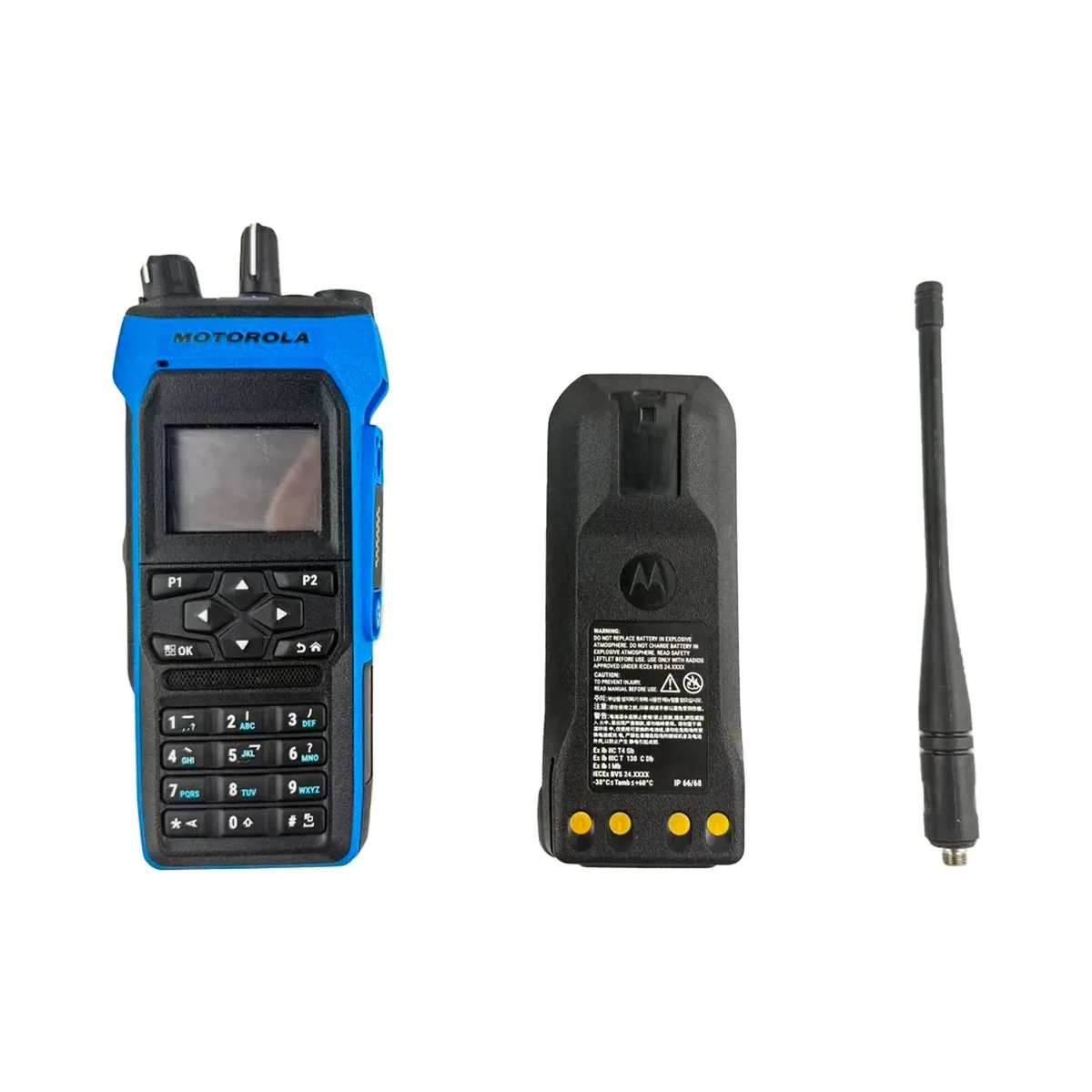
Full keypad Ex build on the newer R7 platform. UHF only in the recorded range — check your licence before shortlisting it.
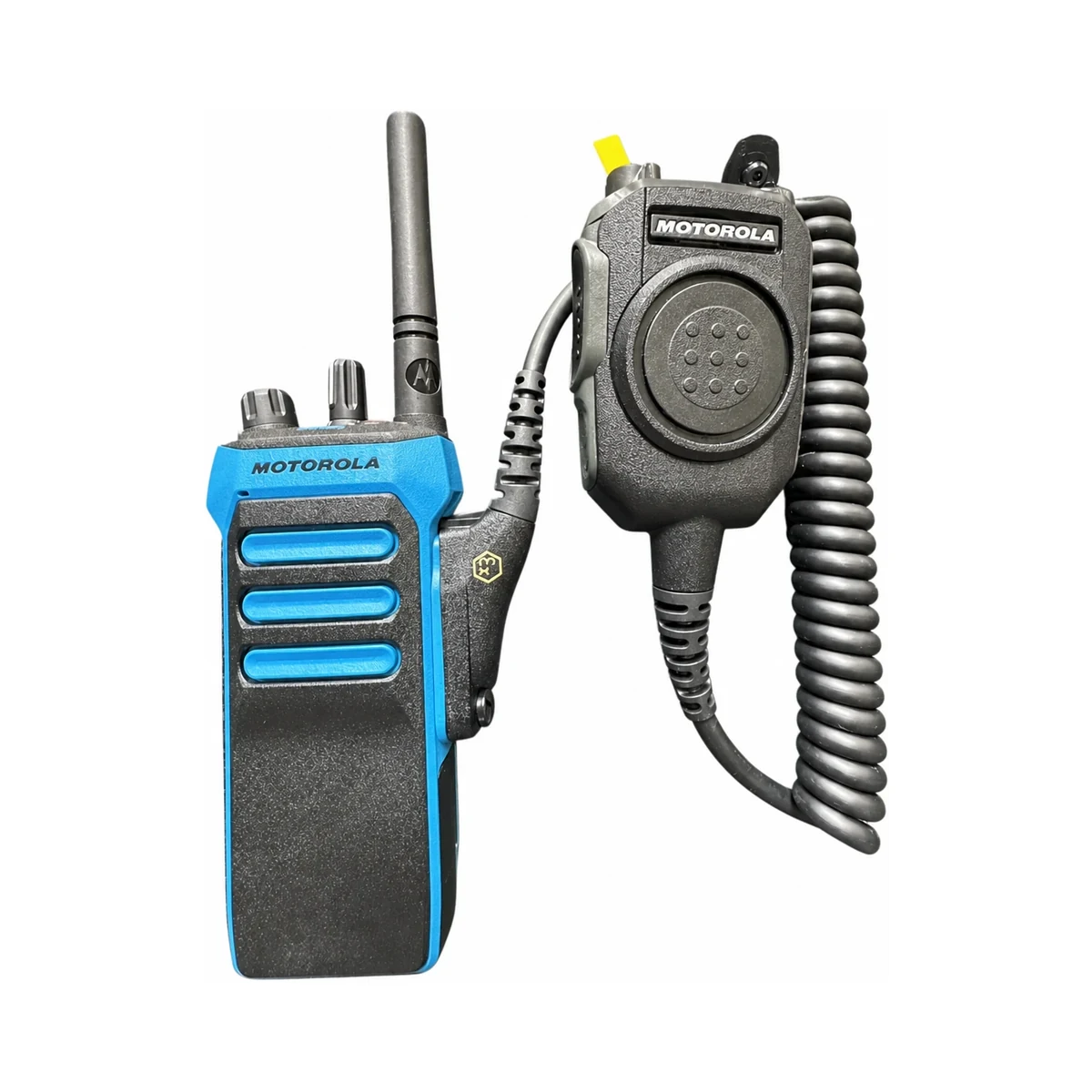
No keypad, same UHF-only Ex platform. For site users inside the zoned area who do not need channel dialling.
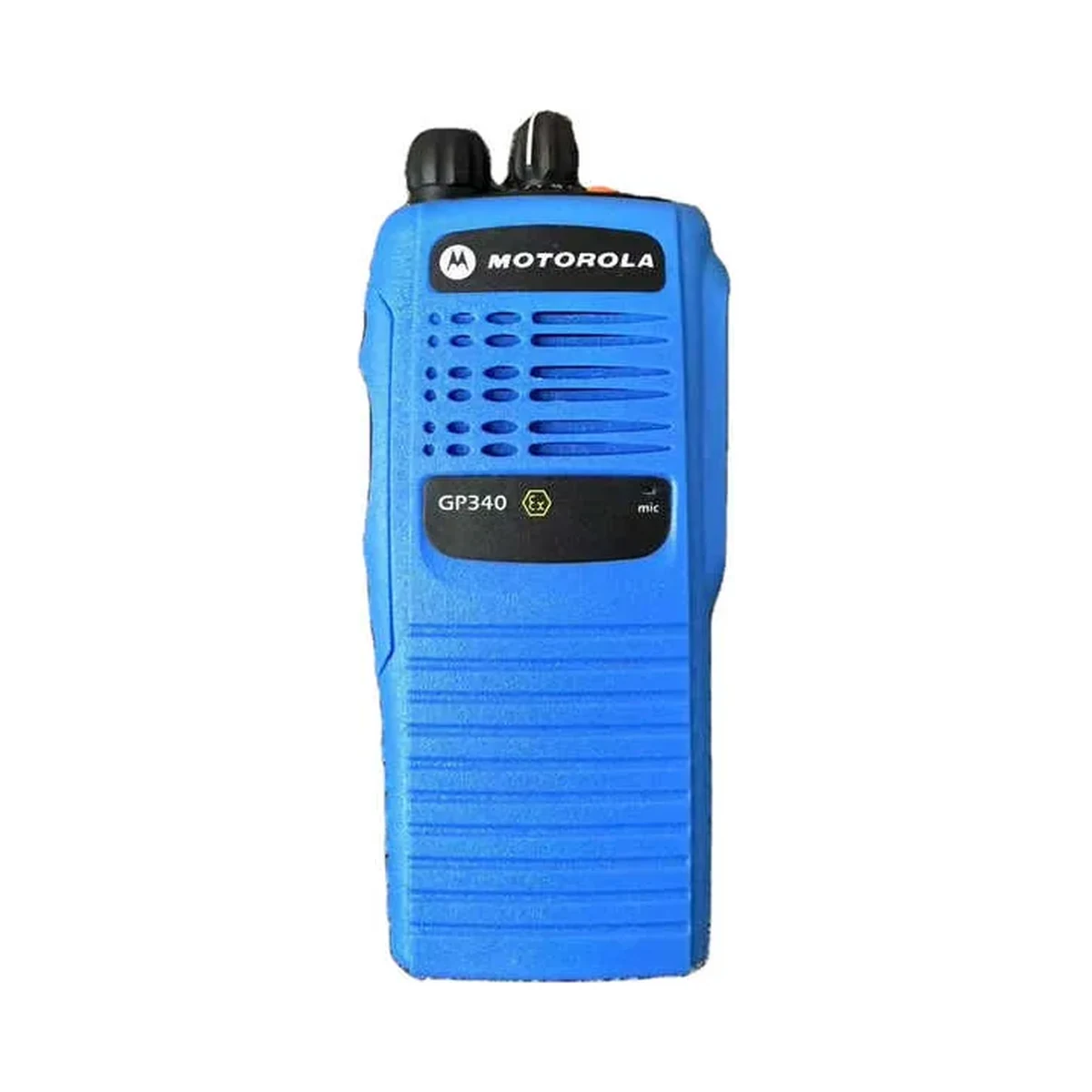
Legacy analog Ex unit. Cheapest entry, but IP54 and no digital features — check it against your zone before choosing it.
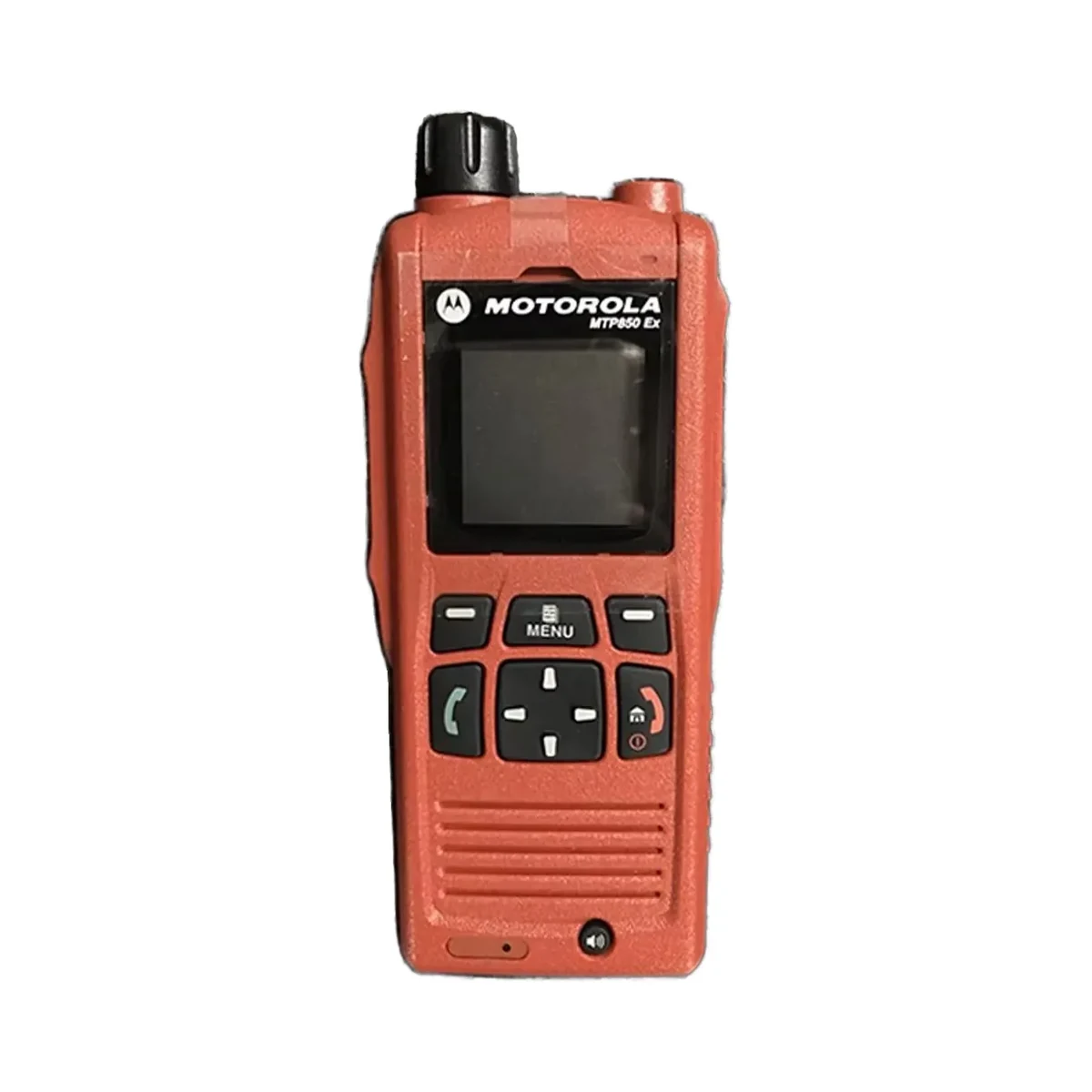
TETRA, not DMR. Only relevant if the site already runs a TETRA network — it will not interwork with a DMR fleet.
Five things that decide the model
These are the questions a site engineer should be able to answer before a radio is quoted. If they are not settled, the purchase order will stall later.
Zone 0, 1 or 2 decides whether a radio is permitted at all. A Zone 2 approval does not cover a Zone 1 area, and no supplier can upgrade that on paper.
Equipment is certified for a gas group (IIA, IIB, IIC) and a maximum surface temperature (T1-T6). Match both, not just "ATEX".
ATEX applies in the EU, IECEx is used more widely, and North America uses UL/CSA classifications. The same model family may hold different approvals per market.
The pack is part of the certification. A non-approved battery voids the protection — which is why ex-rated packs must ship with the radio.
Earpieces, speaker mics and chargers also need to be approved for the area. A standard RSM on an Ex radio is a non-compliance.
Send the zone and we confirm the model
Include the zone (0/1/2), the gas group, the destination country and the quantity. We reply with the model that carries the matching approval, the certificate, and the accessory parts that are also approved for the area.
An Ex radio is only the start of the order. Approved batteries, audio and chargers are usually required with it, and they are not interchangeable with the standard range.
What buyers ask about Ex radios
It depends on the exact model and the certificate revision, not on the family name. Send the zone, gas group and destination country, and we will confirm which model carries the matching approval and supply the certificate before you order.
They have to be. The battery pack is part of the type approval, so an Ex radio must ship with its approved pack. We do not substitute a standard pack to save cost.
No. Audio accessories for hazardous areas need their own approval. Using a standard remote speaker microphone on a certified radio breaches the certification.
It depends on what already exists on site. A DMR fleet will not interwork with a TETRA network. If there is no existing infrastructure, DMR is usually simpler and cheaper; if the site already runs TETRA, stay with TETRA.
Yes — the certificate for the exact model and variant ships with the documents, together with the packing list. If your regulator asks for a specific declaration, tell us at enquiry stage so the paperwork matches.
Two units, the same as the rest of the range. Lead time is 3–7 days on stock lines, and explosive-protected builds are confirmed at quote stage because availability varies by model.
What buyers type when they need an Ex radio
Recorded phrases from our keyword workbook, with the index value stored there — not a live monthly volume.